Table of Contents
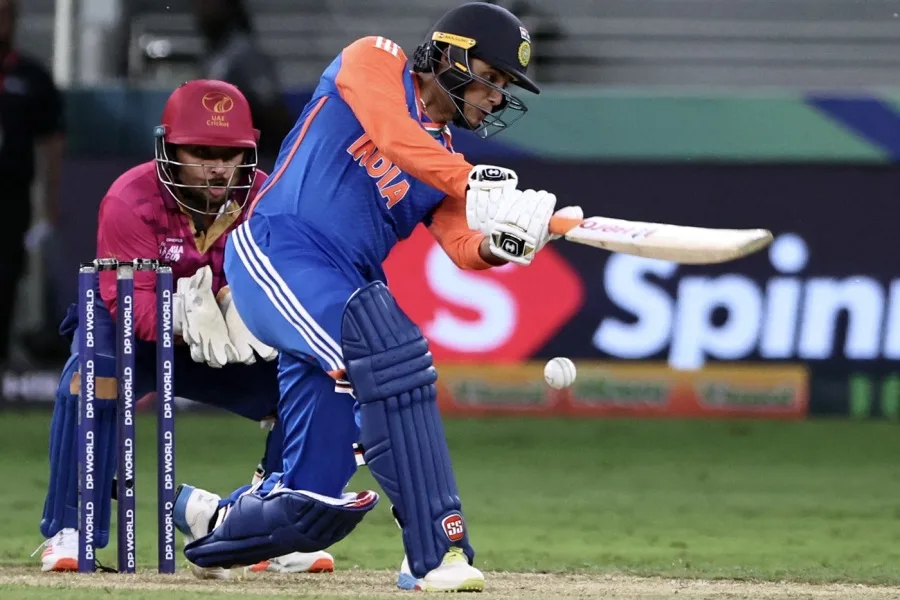
The India National Cricket Team Vs United Arab Emirates National Cricket Team Matches have showcased the difference between one of cricket’s strongest international sides and an emerging Associate nation eager to compete on the biggest stage. Although these teams have met only a handful of times in official One Day Internationals, every encounter has provided valuable experience for the UAE while allowing India to display its depth and consistency. Their meetings have largely taken place during ICC tournaments, where the stakes are high and every match contributes to qualification hopes or tournament momentum. This guide explores every official meeting, head-to-head records, memorable performances, statistical analysis, key players, and the broader significance of this international cricket matchup.
Match History
Early encounters
India and the United Arab Emirates first crossed paths during the 1994 Austral-Asia Cup. At that time, UAE had only recently entered international cricket, while India already possessed one of the strongest batting lineups in the world.
The match highlighted the experience gap between the two teams. India comfortably controlled the game with disciplined bowling and confident batting.
ICC Cricket World Cup meetings
Their next major encounter came during the 2015 ICC Cricket World Cup in Australia and New Zealand. UAE had qualified for the tournament after an impressive campaign through the Associate pathway, while India entered as defending world champions.
Although UAE fought with determination, India’s superior batting strength and bowling depth resulted in another convincing victory.
Since then, the teams have rarely met because they belong to different competitive tiers and participate in different qualification pathways.
Official Match Results
| Date | Tournament | Venue | Winner | Margin |
|---|---|---|---|---|
| April 13, 1994 | Austral-Asia Cup | Sharjah | India | Won comfortably |
| February 28, 2015 | ICC Cricket World Cup | Perth | India | Won by 9 wickets |
India remains unbeaten against the United Arab Emirates in official ODI cricket.
Head-to-Head Record
| Format | Matches | India Wins | UAE Wins | No Result |
|---|---|---|---|---|
| ODI | 2 | 2 | 0 | 0 |
| T20I | 0 | 0 | 0 | 0 |
| Test | 0 | 0 | 0 | 0 |
| Overall | 2 | 2 | 0 | 0 |
India has maintained a perfect winning record, reflecting the difference in international experience and squad depth.
Recent Meetings
2015 ICC Cricket World Cup
India restricted UAE with accurate pace bowling and disciplined spin.
The batting chase was controlled from the beginning, with Indian batters ensuring there were no surprises.
The victory also helped India continue its unbeaten run during the group stage.
Limited opportunities since 2015
Because India regularly competes against Full Member nations while UAE often participates in ICC qualifiers and Associate competitions, official meetings have remained rare.
However, UAE continues to improve through domestic development programs and regular international exposure.
Match-by-Match Analysis
1994 Austral-Asia Cup
India dominated every department.
The batting lineup accumulated runs steadily while the bowlers prevented UAE from building partnerships.
For UAE, the match provided invaluable exposure against elite international players.
2015 ICC Cricket World Cup
India’s bowlers set the tone by consistently attacking the stumps and limiting scoring opportunities.
The batting chase demonstrated patience rather than aggression.
Instead of taking unnecessary risks, India focused on preserving wickets and finishing the match efficiently.
The performance reflected India’s balanced approach during that World Cup campaign.
Batting Performances
India’s batting has consistently been the defining factor in this matchup.
Experienced players have successfully handled UAE’s bowling attack by rotating strike, minimizing mistakes, and accelerating when required.
UAE batters have occasionally produced resilient partnerships, but converting starts into match-winning totals has remained a challenge.
Leading Performers
| Player | Team | Notable Contribution |
|---|---|---|
| Rohit Sharma | India | Match-winning innings in World Cup |
| Virat Kohli | India | Consistent top-order stability |
| Ravindra Jadeja | India | Useful lower-order runs and all-round impact |
| Shaiman Anwar | UAE | One of UAE’s dependable batters |
| Amjad Javed | UAE | Valuable middle-order contributions |
India’s batting success has largely come from building partnerships rather than relying on individual brilliance alone.
Bowling Analysis
India’s bowling attack has consistently controlled the contest.
Fast bowlers generated early breakthroughs while spinners maintained pressure during the middle overs.
UAE bowlers displayed discipline but often struggled to contain India’s experienced batting lineup.
Bowling Comparison
| Team | Strength |
|---|---|
| India | Pace depth, quality spin, wicket-taking ability |
| UAE | Accurate line and length, improving pace attack |
The contrast in bowling depth has been one of the biggest reasons behind India’s dominance.
Tactical Comparison
India’s approach
India generally focuses on:
- Building pressure through disciplined bowling.
- Preserving wickets during run chases.
- Rotating strike effectively.
- Using spin during middle overs.
- Aggressive field placements after early breakthroughs.
UAE’s strategy
The United Arab Emirates often aims to:
- Build partnerships.
- Minimize early wickets.
- Bowl tight lines.
- Save boundaries.
- Extend matches deep into the innings.
Against stronger opposition, these strategies are designed to remain competitive for as long as possible.
Major Records
| Record | Achievement |
|---|---|
| Most ODI wins | India |
| Highest partnership | India |
| Best bowling displays | India |
| Most boundaries | India |
| Most successful chase | India |
These records illustrate India’s complete control in official meetings.
Why These Matches Matter
For India
Matches against emerging nations allow India to:
- Give opportunities to squad players.
- Improve tournament momentum.
- Test bowling combinations.
- Maintain winning consistency.
For UAE
Playing India offers priceless experience.
Facing world-class bowlers and batters helps UAE players understand the standards required at elite international cricket.
Many UAE cricketers have described such opportunities as major learning experiences that contribute to long-term development.
Performance Comparison
| Category | India | UAE |
|---|---|---|
| ICC Experience | Extensive | Growing |
| World Cup Appearances | Multiple | Limited |
| Batting Depth | Excellent | Developing |
| Bowling Variety | Outstanding | Improving |
| Fielding | Elite | Competitive |
| International Exposure | Very High | Moderate |
The comparison demonstrates why India has consistently remained the stronger side while also showing areas where UAE has made progress.
Key Moments
World Cup confidence boost
India’s victory in Perth strengthened its position during the 2015 World Cup group stage and contributed to an unbeaten run toward the knockout rounds.
UAE’s continued growth
Although results have favored India, every international appearance has helped UAE strengthen its cricket infrastructure and player development.
Associate nations benefit enormously from competing against established cricket powers.
Memorable Individual Performances
Rohit Sharma’s composed batting
Rohit anchored the successful chase with calm shot selection and excellent timing.
His innings highlighted the importance of building a chase without unnecessary risks.
India’s disciplined bowling unit
Rather than depending on one standout bowler, India succeeded through collective teamwork.
Each bowler maintained pressure, making scoring difficult throughout the innings.
What Makes This Fixture Unique?
Unlike traditional rivalries driven by history or frequent contests, India versus UAE represents the growing global reach of cricket.
These matches demonstrate how Associate nations continue closing the gap through better coaching, domestic leagues, and international opportunities.
India’s role in global cricket also helps inspire emerging teams by setting professional standards in preparation, fitness, and tactical execution.
Future Possibilities
Future meetings could occur in:
- ICC Cricket World Cup
- ICC Champions Trophy
- Asia Cup
- ICC qualifying tournaments
- Multi-nation ODI competitions
As UAE continues improving, fans may witness more competitive contests in the coming years.
The nation’s investment in cricket academies and domestic tournaments has already produced noticeable progress.
Final Thought
The India National Cricket Team Vs United Arab Emirates National Cricket Team Matches have been limited in number but remain significant for international cricket. India has maintained a perfect record through superior experience, balanced squads, and consistent performances in major tournaments. For the United Arab Emirates, these encounters represent valuable opportunities to measure progress against one of the world’s strongest cricket teams. While the historical record clearly favors India, the steady growth of UAE cricket suggests future meetings could become increasingly competitive and provide exciting moments for fans around the world.
Frequently Asked Questions
How many official matches have India and the UAE played?
India and the United Arab Emirates have played two official One Day Internationals, with India winning both.
Has the UAE ever defeated India in international cricket?
No. UAE has never defeated India in an official international match.
When was their most recent official meeting?
Their latest official encounter took place during the 2015 ICC Cricket World Cup in Perth, where India secured a comfortable nine-wicket victory.
Why do these teams rarely play each other?
India competes primarily against Full Member nations in bilateral series, while UAE usually participates in ICC Associate tournaments and qualification events, limiting opportunities for regular meetings.
Could India and UAE face each other again soon?
Yes. Future meetings are possible in ICC tournaments such as the Cricket World Cup, Asia Cup, Champions Trophy, or qualification competitions whenever both teams are drawn into the same event.