Table of Contents
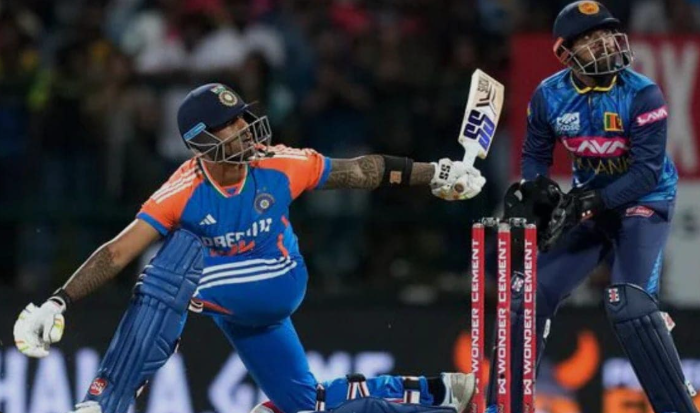
The India National Cricket Team Vs Sri Lanka National Cricket Team Match Scorecard rivalry stands as one of the most enduring contests in Asian cricket history. From humble beginnings in the late 1970s to World Cup finals and modern-day high-pressure clashes, this rivalry has grown through shifting eras, changing playing styles, and unforgettable individual performances. India brought early dominance with structured batting and spin control, while Sri Lanka rose as fearless challengers, especially after their 1996 World Cup triumph. Over time, the contest evolved into a balanced and emotionally charged battle, producing iconic scorecards, dramatic finishes, and legendary player duels that shaped cricket history across generations.
Head-To-Head Summary
| Format | Total Matches | India Wins | Sri Lanka Wins | Tied / No Result / Draw |
|---|---|---|---|---|
| Test | 46 | 22 | 7 | 17 |
| ODI | 171 | 99 | 57 | 15 |
| T20I | 27 | 18 | 8 | 1 |
| All Formats | 244 | 139 | 72 | 33 |
Recent Match Scorecards
| Date | Format / Tournament | Scorecard Summary | Match Result |
|---|---|---|---|
| Sep 26, 2025 | T20I (Asia Cup) | India: 202/5 (20 overs) Sri Lanka: 202/5 (20 overs) | Match Tied (India won the Super Over 3-0) |
| Aug 07, 2024 | ODI Series | Sri Lanka: 248/7 (50 overs) India: 138 all out (26.1 overs) | Sri Lanka won by 110 runs |
| Aug 04, 2024 | ODI Series | Sri Lanka: 240/9 (50 overs) India: 208 all out (42.2 overs) | Sri Lanka won by 32 runs |
| Aug 02, 2024 | ODI Series | Sri Lanka: 230/8 (50 overs) India: 230 all out (47.5 overs) | Match Tied |
| Jul 30, 2024 | T20I Series | India: 137/9 (20 overs) Sri Lanka: 137/8 (20 overs) | Match Tied (India won the Super Over) |
Top Run Scorers (Overall Combined Formats)
| Player | Team | Active Span | Total International Runs |
|---|---|---|---|
| Sachin Tendulkar | India | 1990–2012 | 5,108 |
| Mahela Jayawardene | Sri Lanka | 1997–2014 | 4,563 |
| Kumar Sangakkara | Sri Lanka | 2000–2015 | 4,287 |
| Virat Kohli | India | 2008–2024 | 4,076 |
| Sanath Jayasuriya | Sri Lanka | 1990–2009 | 3,500+ |
Top Wicket Takers (Overall Combined Formats)
| Player | Team | Active Span | Total International Wickets |
|---|---|---|---|
| Muttiah Muralidaran | Sri Lanka | 1993–2011 | 179 |
| Harbhajan Singh | India | 1998–2015 | 115 |
| Ravichandran Ashwin | India | 2010–2022 | 111 |
| Anil Kumble | India | 1990–2009 | 108 |
| Chaminda Vaas | Sri Lanka | 1994–2008 | 95+ |
Origins of India vs Sri Lanka Cricket Rivalry
The India and Sri Lanka cricket rivalry began in the late 1970s when Sri Lanka was still finding its footing in international cricket. India, already an established Test nation, dominated early encounters with superior batting depth and spin attack control. However, Sri Lanka’s entry into Test cricket in 1982 slowly shifted the balance. The rivalry initially felt one-sided, but it planted the seeds of something deeper. Cultural proximity and frequent bilateral series added intensity over time. By the late 1980s, Sri Lanka began showing signs of resilience, especially in home conditions. What started as routine fixtures gradually evolved into emotionally charged contests that would later define Asian cricket’s competitive spirit.
| Match Phase | Winning Edge | Key Performance | Season | Rivalry Impact |
|---|---|---|---|---|
| Early Tests | India | Spin dominance | 1982–1985 | Foundation phase |
| Early ODIs | India | Top-order batting | 1985–1988 | One-sided contests |
| Transition | Balanced | Emerging SL batting | 1988–1990 | Competitive shift |
| Late phase | Slight India | Tactical evolution | 1990–1992 | Rivalry begins |
First Encounters and Early Dominance Phase
During the early ODI and Test meetings, India asserted clear dominance over Sri Lanka with structured batting lineups and disciplined bowling attacks. Sri Lanka often struggled against quality Indian spinners on turning tracks, leading to frequent collapses. Players like Sunil Gavaskar and Kapil Dev set the tone for India, while Sri Lanka relied heavily on individual brilliance rather than team depth. Despite losses, Sri Lanka used these encounters as learning experiences. Each match revealed gaps that the team gradually worked on, especially in batting stability and strike rotation. By the end of this phase, Sri Lanka had started to build confidence, even though results still heavily favored India.
| Match Phase | Winning Edge | Key Performance | Season | Rivalry Impact |
|---|---|---|---|---|
| Early ODIs | India | Gavaskar consistency | 1979–1983 | Strong dominance |
| Test Series | India | Kapil Dev bowling | 1983–1986 | Tactical control |
| Development phase | India | Spin attack strength | 1986–1988 | Skill gap visible |
| Late early era | India | SL batting improvement | 1988–1990 | Competitive hint |
Sri Lanka’s Rise and the 1996 World Cup Shockwave
The 1996 World Cup completely transformed the India vs Sri Lanka rivalry. Sri Lanka, led by Arjuna Ranatunga, introduced an aggressive batting strategy powered by Sanath Jayasuriya and Romesh Kaluwitharana, changing ODI cricket forever. India, despite strong expectations as co-hosts, suffered a shocking semi-final defeat against Sri Lanka after crowd disturbances in Kolkata. That match became a turning point, marking Sri Lanka’s arrival as a global force. India’s response was emotional and tactical, leading to intensified future clashes. Sri Lanka’s fearless approach forced India to rethink ODI strategies, especially powerplay usage and bowling variations. This phase made the rivalry truly competitive and emotionally charged.
| Match Phase | Winning Edge | Key Performance | Season | Rivalry Impact |
|---|---|---|---|---|
| 1996 WC SF | Sri Lanka | Jayasuriya explosive batting | 1996 | Turning point |
| Group stage | Sri Lanka | Powerplay dominance | 1996 | Tactical revolution |
| Bilateral ODI | India | Tendulkar resistance | 1996–1997 | Response phase |
| Asia Cup | Balanced | Team adaptation | 1997 | Rivalry intensifies |
The 2000s Era – Balanced Battles and Star Power
The 2000s brought a golden phase of India vs Sri Lanka cricket rivalry with legendary players on both sides. Sachin Tendulkar, Sourav Ganguly, and Rahul Dravid faced Sanath Jayasuriya, Mahela Jayawardene, and Muttiah Muralitharan in high-intensity battles. Matches became more balanced, with both teams winning crucial series at home. Sri Lanka’s spin dominance often challenged India, especially in Colombo and Galle, while India’s batting depth gave them an edge on flat pitches. ICC tournaments during this period saw tightly contested games, often decided in the final overs. This was the era where no result felt predictable.
| Match Phase | Winning Edge | Key Performance | Season | Rivalry Impact |
|---|---|---|---|---|
| Early 2000s | Balanced | Tendulkar vs Murali | 2000–2003 | Equal competition |
| Mid 2000s | Sri Lanka home | Jayawardene consistency | 2003–2006 | SL home dominance |
| ODI series | India home | Dravid stability | 2004–2007 | Tactical rivalry |
| ICC events | Balanced | Late-over finishes | 2007–2009 | High pressure era |
The 2011 World Cup Final – A Defining Chapter
The 2011 World Cup Final between India and Sri Lanka remains the most iconic chapter in this rivalry. Played at Wankhede Stadium, Mumbai, Sri Lanka posted a challenging total led by Mahela Jayawardene’s elegant century. India’s chase began under immense pressure, especially after early wickets. Gautam Gambhir anchored the innings, while MS Dhoni’s promoted batting position became a historic decision. His unbeaten knock and final six sealed India’s World Cup triumph after 28 years. Sri Lanka fought hard but fell short in execution during middle overs. The match symbolized leadership, pressure handling, and emotional intensity at its peak.
| Match Phase | Winning Edge | Key Performance | Season | Rivalry Impact |
|---|---|---|---|---|
| Final | India | Dhoni match-winning 91* | 2011 | Historic peak |
| Sri Lanka innings | SL | Jayawardene century | 2011 | Strong total |
| Chase phase | India | Gambhir stability | 2011 | Controlled response |
| Death overs | India | Dhoni finishing | 2011 | Legacy moment |
Conclusion
The India National Cricket Team Vs Sri Lanka National Cricket Team Match Scorecard rivalry reflects more than just numbers on a scorecard; it captures the evolution of modern cricket in Asia. From India’s early control to Sri Lanka’s bold rise and the unforgettable 2011 World Cup Final, every phase added depth to this historic contest. Legends like Sachin Tendulkar, MS Dhoni, Sanath Jayasuriya, and Muttiah Muralitharan turned matches into timeless stories. While India has dominated recent years, Sri Lanka’s impact remains deeply embedded in cricket history. This rivalry continues to symbolize respect, competition, and the unpredictable beauty of the sport across eras.