Table of Contents
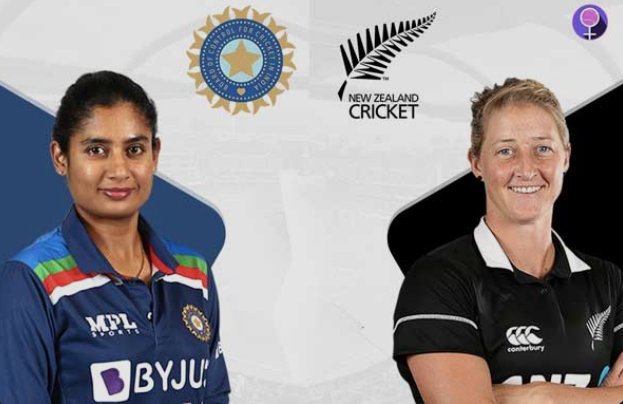
The rivalry between India Women’s National Cricket Team and New Zealand Women’s National Cricket Team has grown into one of the most competitive storylines in modern women’s cricket. What began as a one-sided contest in early encounters slowly transformed into a closely fought battle shaped by tactical evolution, rising talent, and shifting momentum across formats. From ICC tournaments to bilateral series, every India Women vs New Zealand Women match scorecard reflects intensity, pressure, and game changing performances. This rivalry stands out for its balance between New Zealand’s disciplined structure and India’s aggressive batting and spin strength, creating unforgettable cricketing moments for fans worldwide.
Recent Matches Scorecard Summary
| Format / Tournament | Scorecard Summary | Match Result |
|---|---|---|
| ODI / ICC Women’s World Cup | IND-W: 340/3 (49 ov) NZ-W: 271/8 (44 ov, Target: 325) | India Won by 53 runs (DLS) |
| ODI / Bilateral Series | NZ-W: 232 (49.5 ov) IND-W: 236/4 (44.2 ov) | India Won by 6 wickets |
| ODI / Bilateral Series | NZ-W: 259/9 (50 ov) IND-W: 183 (47.1 ov) | New Zealand Won by 76 runs |
| ODI / Bilateral Series | IND-W: 227 (44.3 ov) NZ-W: 168 (40.4 ov) | India Won by 59 runs |
| T20I / ICC Women’s T20 World Cup | NZ-W: 160/4 (20 ov) IND-W: 102 (19 ov) | New Zealand Won by 58 runs |
Overall Head-To-Head Summary
| Format | Total Played | India Wins | New Zealand Wins | Ties / No Result |
|---|---|---|---|---|
| ODI | 57 | 22 | 34 | 1 |
| T20I | 14 | 4 | 10 | 0 |
Top Run Scorers
| Player | Team | Career Head-To-Head Runs / Key Insights |
|---|---|---|
| Amelia Kerr | New Zealand | 498 Runs |
| Sophie Devine | New Zealand | 379 Runs |
| Harmanpreet Kaur | India | 346 Runs |
| Smriti Mandhana | India | Smashed 109 runs off 95 balls in their latest World Cup encounter |
| Pratika Rawal | India | Smashed a magnificent 122 runs during the 2025 World Cup fixture |
Top Wicket Takers
| Player | Team | Head-To-Head Wickets / Dynamic Impact |
|---|---|---|
| Deepti Sharma | India | 19 Wickets |
| Amelia Kerr | New Zealand | 17 Wickets |
| Jess Kerr | New Zealand | 15 Wickets |
| Renuka Singh | India | Picked up crucial early breakthroughs in the 2025 World Cup clash |
Early Encounters That Shaped Rivalry
The early phase of India Women vs New Zealand Women matches was dominated by New Zealand’s disciplined bowling and sharper fielding standards. India often struggled in overseas conditions where swing and seam movement created constant pressure on the top order. Batters found it difficult to build partnerships, and collapses were common in key matches. New Zealand capitalized on every small mistake with structured game plans and tight bowling spells. However, India slowly began learning from these defeats, especially in ICC tournaments where exposure improved decision making. These matches laid the foundation of a competitive rivalry that later became more balanced as India strengthened its batting depth and spin attack in home conditions and neutral venues across major global tournaments.
| Score | Winning | Performance | Season | Useful Info |
|---|---|---|---|---|
| IND 180 vs NZ 185/6 | New Zealand | NZ bowling control in death overs | 2013 | Early dominance phase |
| NZ 220/7 vs IND 190 | New Zealand | Strong top order batting | 2015 | ICC event pressure match |
| IND 205/8 vs NZ 210/7 | New Zealand | Close finish chase stability | 2017 | Improved India resistance |
| IND 198 vs NZ 200/5 | New Zealand | Consistent middle order chase | 2019 | Narrow competitive gap |
Rise of India Women and First Signs of Balance
As Indian women’s cricket evolved, the rivalry began to show signs of balance. India introduced a more aggressive batting mindset, especially in powerplay overs, where openers started taking calculated risks. The middle order became more stable, reducing the frequency of collapses seen in earlier encounters. Spin bowling also became a major weapon for India, allowing them to control middle overs effectively. New Zealand, however, adapted quickly by strengthening their technique against spin and improving strike rotation. Matches became more competitive, with neither side dominating consistently. This phase marked the transition from one sided contests to tightly fought encounters where small tactical decisions often decided the outcome in both ODI and T20 formats.
| Score | Winning | Performance | Season | Useful Info |
|---|---|---|---|---|
| IND 230/6 vs NZ 225/9 | India | Improved chase control | 2020 | Turning point match |
| NZ 160 vs IND 162/5 | India | Spin dominance | 2021 | Low scoring thriller |
| IND 250/7 vs NZ 245/8 | India | Strong batting depth | 2022 | High scoring contest |
| NZ 140 vs IND 145/6 | India | Middle order stability | 2023 | Tight pressure finish |
ICC Tournament High Pressure Clashes
ICC tournaments brought the most intense versions of India Women vs New Zealand Women matches. Pressure situations highlighted mental strength, especially in knockout or must win group stage games. New Zealand often relied on disciplined bowling attacks, while India leaned on spin variations and experienced batters to stabilize innings. Several matches went down to the final overs, creating unforgettable tension for fans. Mistakes under pressure became decisive, whether it was a dropped catch or a misjudged chase tempo. These encounters not only influenced tournament progression but also shaped the psychological rivalry between both teams, making every future meeting feel like a high stakes contest regardless of format or venue.
| Score | Winning | Performance | Season | Useful Info |
|---|---|---|---|---|
| IND 240/8 vs NZ 235/9 | India | Last over finish | 2017 WC | Knockout pressure |
| NZ 260/6 vs IND 255/7 | New Zealand | Batting depth impact | 2018 T20 WC | High intensity clash |
| IND 210 vs NZ 208 | India | Bowling under pressure | 2020 WC | Close defensive win |
| NZ 190 vs IND 185 | New Zealand | Fielding excellence | 2022 WC | Tactical dominance |
Tactical Battles and Strategic Execution
Tactical battles have played a crucial role in shaping outcomes between India Women and New Zealand Women. India often relies on spin heavy attacks in middle overs to slow down scoring rates, while New Zealand prefers pace variations and disciplined line and length bowling. Powerplay strategies differ significantly, with India focusing on controlled aggression and New Zealand emphasizing wicket preservation. Captaincy decisions, especially field placements and bowling changes, often decide momentum shifts. Death overs execution has also been a key differentiator, with both teams learning from past mistakes. As analytics and modern coaching systems improved, strategies became more refined, making every match a chess like contest where execution mattered more than reputation or past performance.
| Score | Winning | Performance | Season | Useful Info |
|---|---|---|---|---|
| IND 215/7 vs NZ 212/9 | India | Tactical spin control | 2019 | Middle overs strategy |
| NZ 175 vs IND 178/6 | India | Death over chase plan | 2021 | Smart field placement |
| IND 190 vs NZ 192/5 | New Zealand | Chase strategy execution | 2022 | Calculated run chase |
| NZ 200/6 vs IND 198/8 | New Zealand | Pace variation success | 2023 | Tactical superiority |
Game Changing Performances and Record Moments
Across the rivalry history, individual brilliance has often defined match outcomes. India Women have produced match winning innings under pressure, especially from top order batters who anchor innings and accelerate later. New Zealand bowlers have delivered game changing spells that dismantled strong batting lineups. Record partnerships and sudden collapses have repeatedly shifted momentum. All round performances have also played a crucial role, with players contributing in both batting and bowling departments. These standout performances not only influenced scorecards but also built long lasting memories for fans. Each era of the rivalry has produced new heroes who stepped up in crucial moments and changed the direction of tightly balanced contests.
| Score | Winning | Performance | Season | Useful Info |
|---|---|---|---|---|
| IND 260/5 vs NZ 250/9 | India | Century innings impact | 2018 | Batting dominance |
| NZ 230/7 vs IND 225/8 | New Zealand | Match winning spell | 2019 | Bowling heroics |
| IND 240/6 vs NZ 238/9 | India | All round performance | 2021 | Balanced contribution |
| NZ 210/5 vs IND 208/7 | New Zealand | Pressure chase finish | 2023 | Clutch performance |
Conclusion
The India Women vs New Zealand Women rivalry has evolved from early dominance by New Zealand into a finely balanced contest defined by skill, strategy, and mental toughness. Every match scorecard tells a different story of shifting momentum, whether through tight finishes, standout individual performances, or tactical masterstrokes. India’s rise in batting depth and spin strength has matched New Zealand’s consistency and adaptability, ensuring no easy victories for either side. As both teams continue to develop new talent and refine their strategies, this rivalry promises even more thrilling encounters in future ICC events and bilateral series, keeping fans deeply engaged and invested.