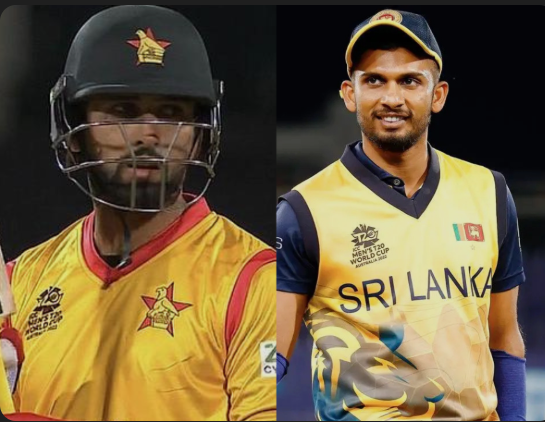
The Sri Lanka National Cricket Team Vs Zimbabwe National Cricket Team Match Scorecard rivalry may not carry the loud commercial hype of modern cricket’s biggest clashes, but it holds a deep and evolving cricketing story shaped by discipline, resilience, and shifting eras. From the early 1990s when Zimbabwe entered international cricket with fearless ambition, to Sri Lanka’s rise as a World Cup winning powerhouse, this matchup has produced moments of quiet intensity and tactical battles. Over time, spin dominance, middle order resilience, and emerging all round talent have defined contests. Each era has added new layers, turning simple bilateral games into a long narrative of growth, struggle, and competitive spirit.
Head-To-Head Summary
Format
Total Matches
Sri Lanka Won
Zimbabwe Won
No Result / Drawn
Test
20
14
0
6
ODI
66
51
12
3
T20I
12
7
5
0
Recent Matches
Date
Format
Venue
Winner
Match Margin
19 Feb 2026
T20I
Colombo
Zimbabwe
Won by 6 wickets
25 Nov 2025
T20I
Rawalpindi
Sri Lanka
Won by 9 wickets
20 Nov 2025
T20I
Rawalpindi
Zimbabwe
Won by 67 runs
07 Sep 2025
T20I
Harare
Sri Lanka
Won by 8 wickets
06 Sep 2025
T20I
Harare
Zimbabwe
Won by 5 wickets
31 Aug 2025
ODI
Harare
Sri Lanka
Won by 5 wickets
Top Run Scorers
Player
Team
Active Span
Total Runs
Format Focus
Marvan Atapattu
Sri Lanka
1996 to 2006
1500 plus
Test and ODI
Andy Flower
Zimbabwe
1992 to 2003
1300 plus
Test and ODI
Sanath Jayasuriya
Sri Lanka
1992 to 2010
1200 plus
ODI
Pathum Nissanka
Sri Lanka
2021 to Present
647
Recent T20I and ODI
Sikandar Raza
Zimbabwe
2013 to Present
425
Modern T20I and ODI
Top Wicket Takers
Player
Team
Active Span
Total Wickets
Best Format
Muttiah Muralitharan
Sri Lanka
1993 to 2010
43
ODI
Chaminda Vaas
Sri Lanka
1994 to 2008
42
ODI
Upul Chandana
Sri Lanka
1994 to 2007
28
ODI
Heath Streak
Zimbabwe
1993 to 2005
28
ODI
Wanindu Hasaranga
Sri Lanka
2017 to Present
18 plus
Recent T20I and ODI
Early Test Battles and Foundation Years
The early encounters between Sri Lanka and Zimbabwe set the tone for a respectful but competitive rivalry. In the 1990s, Zimbabwe was still adjusting to Test cricket while Sri Lanka was developing into a spin dominant Asian side. Matches were often slow paced, with Zimbabwe relying heavily on Andy Flower and Grant Flower for stability against spin. Sri Lanka used Muttiah Muralitharan’s emerging brilliance to control middle sessions. These games were not high scoring thrillers but tactical battles built on patience and discipline. Sri Lanka gradually gained upper hand at home while Zimbabwe showed resistance in drawn Tests and low margin ODIs that hinted at future competitiveness.
Season
Match Type
Winner
Key Performance
Margin or Score
1994
Test
Sri Lanka
Murali 6 wickets
Sri Lanka won by innings
1996
ODI
Zimbabwe
Andy Flower 82
Zimbabwe won by 5 wickets
1998
Test
Sri Lanka
Jayasuriya 150
Sri Lanka won by 8 wickets
1999
ODI
Sri Lanka
Dilshan 70+ cameo
Sri Lanka won by 45 runs
ODI Expansion and Tactical Shifts in Late 1990s
As ODI cricket evolved in the late 1990s, Sri Lanka introduced aggressive opening strategies led by Sanath Jayasuriya and Romesh Kaluwitharana. This changed how Zimbabwe approached bowling and field placements. Zimbabwe depended on disciplined seam bowling and structured batting partnerships, but often struggled against Sri Lanka’s explosive starts. Matches became faster, with powerplay aggression defining outcomes. Zimbabwe did manage occasional surprises when early wickets fell, exposing Sri Lanka’s middle order. However, Sri Lanka’s depth and spin control usually turned games in their favor. This phase marked the transformation of the rivalry from slow Test battles to unpredictable ODI contests with momentum swings.
Season
Match Type
Winner
Key Performance
Margin or Score
1997
ODI
Sri Lanka
Jayasuriya 120
Sri Lanka won by 7 wickets
1998
ODI
Zimbabwe
Streak 3 wickets
Zimbabwe won by 12 runs
1999
ODI
Sri Lanka
Murali economical spell
Sri Lanka won by 38 runs
2000
ODI
Sri Lanka
Top order 250+ total
Sri Lanka won by 60 runs
World Cup Pressure and High Stakes Encounters
World Cup meetings between Sri Lanka and Zimbabwe brought intense pressure and global attention. Sri Lanka entered tournaments as strong contenders after their 1996 World Cup triumph, while Zimbabwe played as dangerous underdogs capable of shocking bigger teams. These matches often featured early breakthroughs from Zimbabwe seamers or explosive starts from Sri Lankan openers. The psychological pressure of group stage qualification added weight to every over. Sri Lanka’s experience in handling knockout-like scenarios gave them an advantage, but Zimbabwe’s fearless approach made games competitive. These clashes became defining moments for both teams in ICC tournaments.
Season
Match Type
Winner
Key Performance
Margin or Score
1996
World Cup ODI
Sri Lanka
Atapattu 80+
Sri Lanka won comfortably
1999
World Cup ODI
Sri Lanka
Murali 4 wickets
Sri Lanka won by 74 runs
2003
World Cup ODI
Zimbabwe
Flower 90
Zimbabwe won upset match
2007
World Cup ODI
Sri Lanka
Jayawardene 100+
Sri Lanka won by 80 runs
Spin Dominance and Bowling Control Era
Bowling played a decisive role in shaping the rivalry, especially as Sri Lanka’s spin attack became one of the strongest in world cricket. Muttiah Muralitharan, supported by part time options, regularly dismantled Zimbabwe’s middle order. Zimbabwe responded with Heath Streak and later Kyle Jarvis, who used disciplined line and length to restrict scoring. Matches often turned during middle overs when spin choke or seam pressure created collapses. Sri Lanka’s ability to adapt to slow pitches gave them consistent control in home conditions. Zimbabwe, however, occasionally exploited early movement to challenge top order batters, making contests unpredictable in certain phases.
Season
Match Type
Winner
Key Performance
Margin or Score
2001
Test
Sri Lanka
Murali 8 wickets
Innings win
2004
ODI
Sri Lanka
Vaas 4 wickets
Sri Lanka won by 55 runs
2006
Test
Sri Lanka
Jayasuriya 150
Sri Lanka won
2009
ODI
Sri Lanka
Mendis mystery spin
Sri Lanka won by 6 wickets
Modern Era Balance and Emerging Talent
In the modern era, the rivalry has become more balanced due to the rise of younger players and T20 cricket influence. Sri Lanka introduced talents like Pathum Nissanka and Wanindu Hasaranga, while Zimbabwe built their core around Sikandar Raza. Matches are now faster, with higher scoring rates and more aggressive intent from both sides. Fielding standards have improved significantly, reducing easy runs and increasing pressure situations. Zimbabwe has become more competitive in limited overs formats, especially when experienced all rounders contribute. Sri Lanka still holds an overall edge, but modern games often go deeper into final overs or final sessions.
Season
Match Type
Winner
Key Performance
Margin or Score
2016
ODI
Sri Lanka
Hasaranga debut impact
Sri Lanka won
2019
ODI
Sri Lanka
Nissanka steady innings
Sri Lanka won by narrow margin
2022
T20
Zimbabwe
Raza all round show
Zimbabwe upset win
2024
ODI
Sri Lanka
Top order partnership
Sri Lanka won close game
Conclusion
The Sri Lanka National Cricket Team Vs Zimbabwe National Cricket Team Match Scorecard rivalry reflects more than just wins and losses. It shows how two developing cricket nations shaped their identities through persistence and adaptation. Sri Lanka built dominance through spin mastery, aggressive batting phases, and world class experience, while Zimbabwe earned respect through grit, disciplined partnerships, and standout individual performances. Though Sri Lanka holds the stronger overall record, Zimbabwe’s occasional upsets keep the rivalry alive and unpredictable. In modern cricket, the gap has narrowed slightly, making every encounter more competitive. Ultimately, this rivalry stands as a reminder that cricket history is built not only on giants, but also on fighters who refuse to back down.