Table of Contents
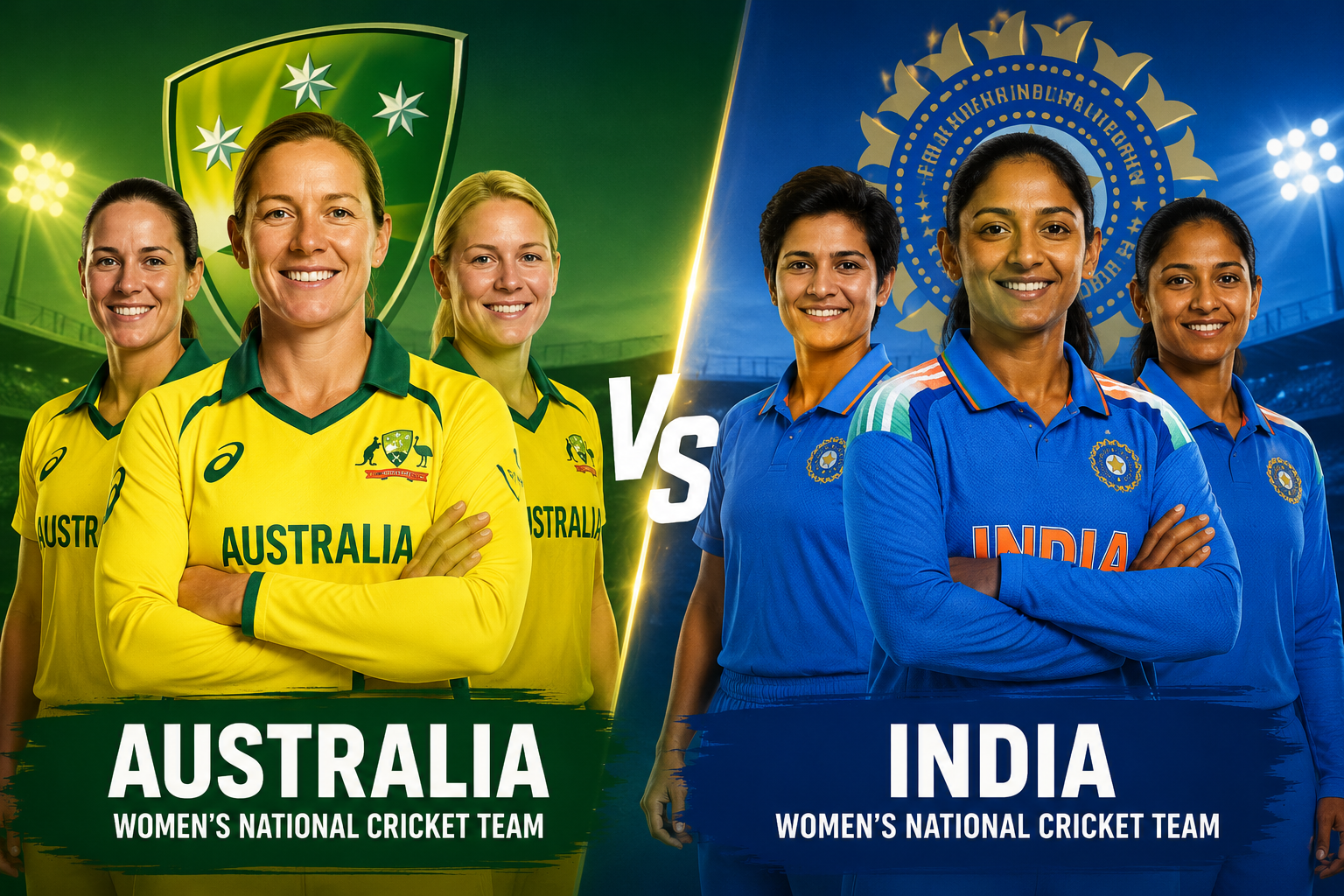
The rivalry between Australia Women and India Women has become one of the most compelling stories in international cricket. What began as a contest between an established powerhouse and a developing side has evolved into a fiercely competitive battle filled with memorable performances, dramatic finishes, and iconic individual moments. Over the years, both teams have showcased exceptional talent, strong leadership, and remarkable resilience across Tests, ODIs, T20Is, and major ICC tournaments. Their encounters have not only entertained cricket fans worldwide but have also played a significant role in the growth and popularity of women’s cricket on the global stage.
Recent Matches Table
| Match Date | Format | Venue | Toss Winner | Winner | Margin | Player of Match |
| 06-Mar-2026 | Only Test | Perth | Australia | Australia | 10 wickets | A. Sutherland |
| 01-Mar-2026 | WODI | Hobart | India | Australia | 185 runs | Alyssa Healy |
| 27-Feb-2026 | WODI | Hobart | India | Australia | 5 wickets | Georgia Voll |
| 24-Feb-2026 | WODI | Brisbane | India | Australia | 6 wickets | Beth Mooney |
| 21-Feb-2026 | WT20I | Adelaide | India | India | 17 runs | S. Mandhana |
| 19-Feb-2026 | WT20I | Canberra | India | Australia | 19 runs | Georgia Voll |
Top Batting Performances of the Match
| Batter | Team | Runs | Balls | 4s / 6s | Strike Rate | Match & Year |
| A. Sutherland | Australia | 129 | 171 | 17 / 0 | 75.44 | Perth Test (2026) |
| J. Rodrigues | India | 127* | 114 | 14 / 2 | 111.40 | Navi Mumbai ODI (2025) |
| Ellyse Perry | Australia | 76 | 116 | 10 / 1 | 65.52 | Perth Test (2026) |
| Pratika Rawal | India | 63 | 137 | 8 / 0 | 45.99 | Perth Test (2026) |
| J. Rodrigues | India | 52 | 84 | 7 / 0 | 61.90 | Perth Test (2026) |
| S. Mandhana | India | 48 | 32 | 6 / 1 | 150.00 | Adelaide T20I (2026) |
Leading Bowlers and Key Wickets
| Bowler | Team | Overs | Maidens | Runs | Wickets | Key Dismissal |
| S. Satghare | India | 18.4 | 2 | 50 | 4 | Alyssa Healy |
| A. Sutherland | Australia | 17.0 | 5 | 46 | 4 | Harmanpreet Kaur |
| Lucy Hamilton | Australia | 11.0 | 3 | 31 | 3 | Smriti Mandhana |
| Lucy Hamilton | Australia | 8.0 | 1 | 32 | 3 | Richa Ghosh |
| A. Gardner | Australia | 4.2 | 1 | 8 | 2 | Deepti Sharma |
| Deepti Sharma | India | 17.0 | 1 | 67 | 2 | Beth Mooney |
Batting Records and Highest Run Scorers
| Rank | Player | Team | Matches | Runs | Highest Score | Average |
| Top Tier | Ellyse Perry | Australia | 68 | 1,524 | 113* | 44.82 |
| Second Tier | Mithali Raj | India | 44 | 1,289 | 109 | 36.82 |
| Third Tier | S. Mandhana | India | 41 | 1,215 | 127 | 33.75 |
| Fourth Tier | Meg Lanning | Australia | 32 | 1,194 | 101* | 46.30 |
| Fifth Tier | Harmanpreet Kaur | India | 52 | 1,114 | 171* | 28.56 |
| Sixth Tier | Beth Mooney | Australia | 38 | 1,068 | 82* | 41.07 |
Bowling Records and Best Performances
| Rank | Bowler | Team | Matches | Wickets | Best Economy | Five-Wicket Hauls |
| Top Tier | Lisa Sthalekar | Australia | 31 | 42 | 3.42 | 1 |
| Second Tier | Ellyse Perry | Australia | 68 | 39 | 4.10 | 0 |
| Third Tier | Jhulan Goswami | India | 42 | 37 | 3.76 | 1 |
| Fourth Tier | Megan Schutt | Australia | 35 | 33 | 4.45 | 0 |
| Fifth Tier | Deepti Sharma | India | 39 | 31 | 4.31 | 0 |
| Sixth Tier | Renuka Singh | India | 18 | 22 | 4.88 | 1 |
The First Meeting That Started a New Chapter
The earliest encounters between these two teams laid the foundation for one of the most respected rivalries in women’s cricket. Australia entered the contests with a well-established structure and years of competitive experience, while India was still developing its international identity. The opening meetings revealed contrasting styles. Australia relied on disciplined bowling, athletic fielding, and aggressive batting, whereas India focused on patience, technique, and resilience. Although the results often favored Australia, the competitive spirit shown by Indian players attracted attention from cricket followers around the world. Every match became an opportunity to learn, adapt, and improve. These initial battles created the first layer of mutual respect and established a rivalry that would grow stronger with every series and tournament appearance over the following decades.
| Match Era | Team Strength | Key Feature | Result Trend |
| Early Years | Australia | Experience | Advantage Australia |
| Development Phase | India | Learning Curve | Competitive Growth |
| Bilateral Series | Both Teams | Tactical Battles | Mixed Results |
| ICC Events | Both Teams | High Pressure | Intense Contests |
| Rivalry Impact | Global Cricket | Fan Interest | Rising Popularity |
Learning the Hard Way Against a World Power
Facing one of the strongest teams in women’s cricket proved challenging for India during the early years. Australian players consistently demonstrated superior game awareness, fitness standards, and tactical flexibility. These contests highlighted the gap between the two sides, particularly in pressure situations where Australia often found ways to dominate crucial moments. For India, every defeat served as a lesson rather than a setback. Coaches and players studied opposition strengths and gradually improved their own approach. The experience gained from these difficult tours helped shape future generations of cricketers. As India continued to invest in player development, the performances became more competitive. The rivalry evolved from one-sided encounters into genuine contests where momentum could shift rapidly and both teams were forced to adapt their strategies.
| Aspect | Australia | India | Impact |
| Experience | High | Growing | Learning Process |
| Batting Depth | Strong | Improving | Competitive Edge |
| Bowling Attack | Consistent | Developing | Tactical Growth |
| Fielding Standards | Elite | Improving | Better Results |
| Team Culture | Established | Emerging | Long-Term Progress |
When Respect Slowly Turned Into Competition
As women’s cricket expanded globally, the balance between the teams gradually became more competitive. Indian players began producing performances that challenged expectations and forced Australia to take notice. Several closely fought matches demonstrated that the gap was narrowing. Improved domestic structures, greater international exposure, and the emergence of talented young players transformed India’s approach. Matches were no longer viewed as routine victories for Australia. Instead, they became tactical battles where every session mattered. Fans started anticipating these contests because of the unpredictable nature of the rivalry. Competitive matches increased media attention and created memorable moments that strengthened the narrative surrounding the two teams. Respect remained central to the rivalry, but a stronger competitive edge had clearly emerged.
| Category | Earlier Phase | Transition Phase | Outcome |
| Competitiveness | Limited | Increasing | Better Matches |
| Player Quality | Developing | Improved | Higher Standards |
| Fan Interest | Moderate | Growing | Wider Audience |
| Tactical Depth | Basic | Advanced | Stronger Rivalry |
| Global Attention | Limited | Significant | Greater Recognition |
The World Cup Encounters That Raised the Stakes
Tournament meetings elevated the rivalry to another level. Unlike bilateral contests, World Cup matches carried enormous pressure because a single result could determine a team’s future in the competition. Players faced intense scrutiny, and every decision became magnified. These encounters often produced dramatic moments, outstanding individual performances, and unforgettable finishes. The atmosphere surrounding major tournaments added emotional weight to each contest. Fans followed every ball closely, understanding that championships and legacies were at stake. The high-pressure environment brought out the best qualities of both teams, including composure, resilience, and tactical awareness. World Cup clashes became defining chapters that significantly influenced the perception of the rivalry within the global cricket community.
| Tournament Stage | Pressure Level | Key Focus | Importance |
| Group Stage | High | Qualification | Critical |
| Semi Final | Very High | Survival | Massive |
| Final | Extreme | Championship | Historic |
| Knockout Match | Intense | Performance | Defining |
| Global Event | Worldwide | Reputation | Lasting Impact |
Meg Lanning, Mithali Raj and the Battle of Leadership
Leadership played a major role in shaping many memorable contests. Both captains represented different cricketing philosophies while maintaining exceptional standards. One emphasized calculated aggression and proactive decision-making, while the other relied on calmness, technical excellence, and strategic patience. Their leadership styles influenced team culture and match tactics. Whether setting fields, managing bowlers, or guiding batting partnerships, both leaders consistently demonstrated remarkable composure. Their presence added another layer of intrigue to the rivalry because each captain inspired confidence within her squad. The battles between these two influential figures extended beyond statistics and results. They represented contrasting approaches to leadership that helped define an important era in women’s cricket history.
| Leadership Area | Captain A Style | Captain B Style | Influence |
| Decision Making | Aggressive | Calm | Tactical Balance |
| Team Management | Proactive | Patient | Strong Culture |
| Pressure Handling | Confident | Composed | Better Results |
| Match Awareness | Sharp | Strategic | Competitive Edge |
| Legacy | Inspirational | Historic | Lasting Value |
Harmanpreet Kaur’s Statement to the Cricket World
One extraordinary performance changed perceptions across international cricket and became a landmark moment in the rivalry. The innings showcased fearless stroke play, exceptional confidence, and complete control under pressure. It was not merely a personal achievement but a statement that India could challenge the strongest teams on the biggest stage. The performance inspired teammates, energized supporters, and attracted worldwide attention. Australia suddenly faced an opponent capable of producing match-winning brilliance in crucial moments. The innings remains one of the defining highlights of modern women’s cricket because of its impact on confidence, belief, and future expectations. It demonstrated how a single performance can alter the direction of a rivalry and influence the sport’s broader narrative.
| Match Element | Performance Impact | Team Effect |
| Batting Display | Exceptional | Confidence Boost |
| Momentum Shift | Significant | Competitive Belief |
| Fan Response | Enthusiastic | Greater Support |
| Global Recognition | Massive | Increased Attention |
| Historical Value | Memorable | Long-Term Influence |
The Final That Broke Hearts and Changed Expectations
One championship match became a defining emotional moment for players and supporters alike. Expectations were enormous, and anticipation reached unprecedented levels. The contest represented more than a trophy; it symbolized years of progress, sacrifice, and ambition. Australia delivered a performance worthy of champions, executing their plans with remarkable precision. India fought hard but struggled to maintain momentum during key phases of the game. The result produced contrasting emotions, celebration for one side and disappointment for the other. Yet the match also highlighted the remarkable growth of women’s cricket and inspired a new generation of fans and players. The impact extended far beyond the scoreboard and helped elevate the sport to new heights globally.
| Match Factor | Winning Side | Challenging Side | Result |
| Preparation | Excellent | Strong | High Quality |
| Execution | Consistent | Competitive | Decisive |
| Crowd Interest | Record Level | Record Level | Historic |
| Emotional Impact | Joy | Heartbreak | Memorable |
| Long-Term Effect | Legacy Growth | Motivation | Future Success |
Conclusion
The journey between these two cricketing nations reflects the evolution of women’s cricket itself. Australia has consistently set high standards through dominance, professionalism, and championship success, while India has emerged as a formidable challenger capable of competing on the biggest stages. Their rivalry has produced unforgettable matches, record-breaking performances, and emotional moments that continue to inspire players and fans alike. As new generations step onto the field, the competition remains as exciting as ever. The future promises more thrilling encounters, ensuring that this historic rivalry continues to shape the landscape of international women’s cricket for years to come.
Frequently Asked Questions
Who has won more matches between Australia Women and India Women?
Australia Women have historically dominated the head-to-head record across all formats, although India Women have achieved several memorable victories in recent years.
What is the most famous match between the two teams?
One of the most memorable encounters was the 2017 Women’s World Cup semifinal, which featured a remarkable batting performance and became a landmark moment in women’s cricket.
Which players have had the biggest impact in this rivalry?
Several players have influenced the rivalry, including Mithali Raj, Harmanpreet Kaur, Jhulan Goswami, Meg Lanning, Ellyse Perry, Alyssa Healy, and Beth Mooney.
Have the teams played Test matches against each other?
Yes, the teams have met in women’s Test cricket, producing several competitive and historically significant red-ball contests.
Why is this rivalry important for women’s cricket?
The rivalry has helped increase global interest in women’s cricket, inspired future generations, and contributed significantly to the sport’s growth and visibility worldwide.