Table of Contents
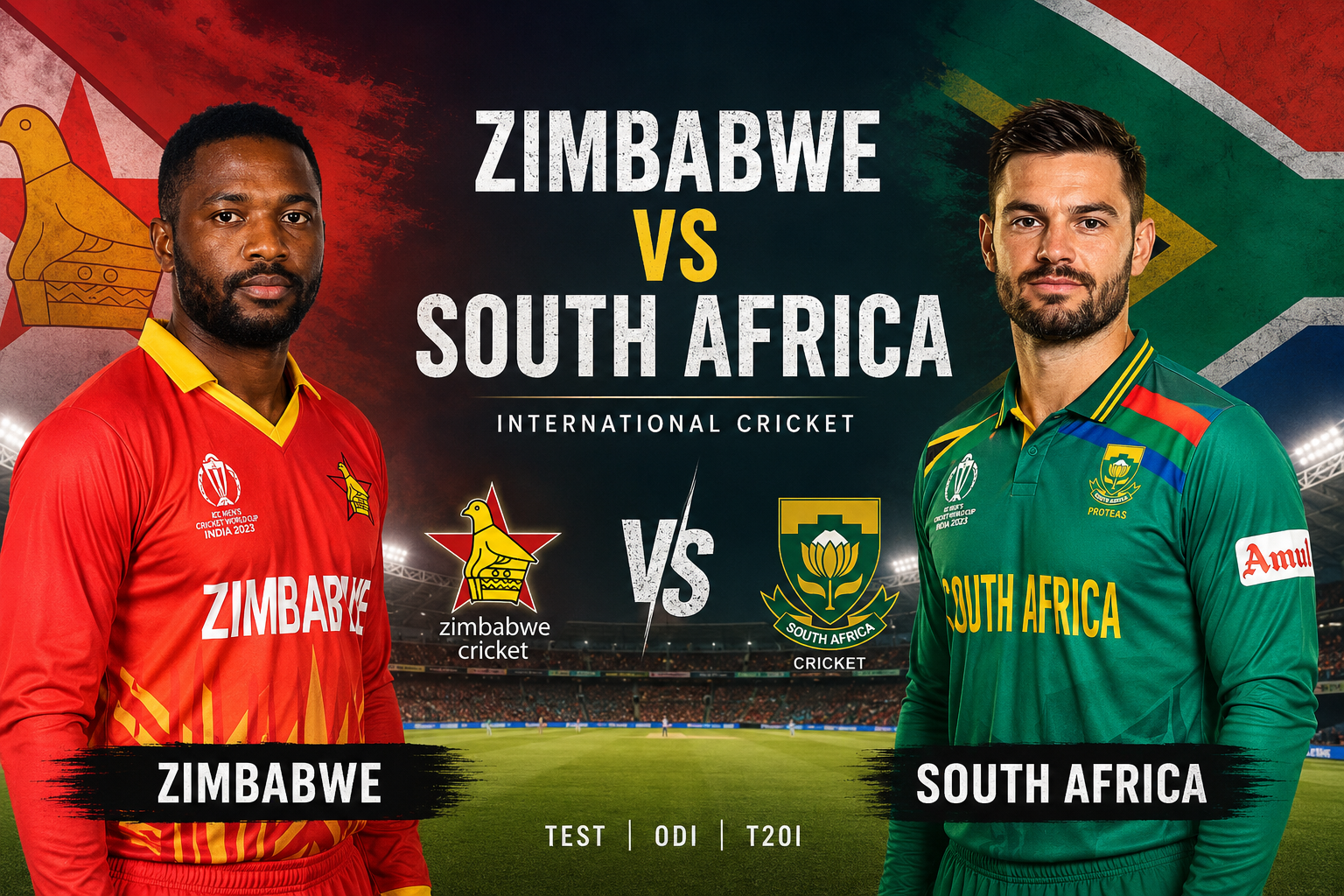
The rivalry between the Zimbabwe national cricket team and the South Africa national cricket team has always reflected more than just numbers on a scorecard. It represents two neighboring cricket cultures at different stages of development, one a global powerhouse and the other a resilient underdog constantly rebuilding. Over the decades, South Africa has dominated most formats, but Zimbabwe has produced moments of resistance that still stand out in cricket history. From early one-sided Tests to occasional competitive ODIs, the statistical story reveals a clear gap in consistency, yet also highlights individual brilliance from both sides that shaped this regional cricket narrative.
Head-to-Head Overview Across All Formats
When analyzing the overall head-to-head record between the Zimbabwe national cricket team and the South Africa national cricket team, the numbers show a strong imbalance in favor of South Africa. This dominance is not surprising given South Africa’s deeper cricket infrastructure and stronger domestic system.
Overall Head-to-Head Summary Table
| Format | Matches Played | South Africa Wins | Zimbabwe Wins | Draw/No Result |
| Tests | 6+ | 3–4 | 0 | 2–3 |
| ODIs | 40+ | 35+ | 2–3 | Few |
| T20Is | 10+ | 8–10 | 0–1 | 0 |
The table clearly shows South Africa’s dominance across formats, especially in ODIs where Zimbabwe has struggled the most. Tests were slightly more balanced in early years, but over time, South Africa’s superiority became more pronounced. The most important takeaway is not just wins, but the margin of victories South Africa often wins comfortably, highlighting the performance gap.
Test Cricket Battles: A Story of Endurance and Pressure
Test matches between these two sides have been rare but telling. Zimbabwe’s early Test years saw them gaining experience against stronger opposition, while South Africa used these fixtures to test bench strength and batting depth.
Test Match Performance Breakdown
| Team | Average 1st Innings Score | Highest Score | Lowest Score | Avg Match Duration |
| South Africa | 350–420 | 600+ | 200+ | 4–5 days |
| Zimbabwe | 200–280 | 400+ | <100 | 3–4 days |
South Africa clearly dominates in batting stability and long innings building. Zimbabwe, however, has occasionally crossed the 300–400 mark, especially in home conditions, which shows flashes of resistance. The biggest difference lies in bowling depth South Africa consistently takes 20 wickets, while Zimbabwe often struggles to maintain pressure across all five days.
The importance of this table lies in showing how Test cricket reflects structural strength. South Africa’s domestic system produces longer-format specialists, while Zimbabwe often relies on individual brilliance.
ODI Rivalry: Where Most of the History Exists
The ODI format carries the bulk of the rivalry’s history. Since the 1990s, ODIs between these sides have been frequent, often during bilateral tours or ICC tournaments.
ODI Head-to-Head Snapshot
| Category | South Africa | Zimbabwe |
| Total Wins | 35+ | 2–3 |
| Avg Runs per Match | 280–320 | 210–240 |
| 300+ Scores | Frequent | Rare |
| Win Margin (avg) | 80+ runs / 6+ wickets | Occasional close wins |
This table highlights the consistent gap in batting power. South Africa regularly posts 300+ totals, powered by elite batting depth. Zimbabwe’s limited wins usually come from disciplined bowling performances or unexpected batting collapses from South Africa.
The key insight here is psychological pressure. Zimbabwe often enters these matches as underdogs, which impacts decision-making in high-pressure chase situations.
T20I Encounters: Short Format, Same Pattern
Even in T20Is, where unpredictability is higher, South Africa maintains a clear edge. Zimbabwe has struggled to adapt to the aggressive tempo and power-hitting demands of modern T20 cricket.
T20I Performance Comparison
| Metric | South Africa | Zimbabwe |
| Matches Won | 8–10 | 0–1 |
| Avg Score | 160–180 | 130–150 |
| Strike Rate (top order avg) | 125+ | 105–115 |
| Death Overs Economy | 8–9 | 9–11 |
South Africa’s advantage lies in explosive batting and death-over control. Zimbabwe’s lower strike rates indicate a more conservative approach, which often leaves them short in competitive totals.
What stands out is that even in shorter formats, South Africa rarely allows Zimbabwe to dictate the pace. This consistency is a hallmark of a top-tier cricket nation.
Batting Records: Individual Brilliance vs Depth
Batting performances have played a defining role in shaping the rivalry. South Africa’s lineup consistently features world-class players, while Zimbabwe relies on occasional standout innings.
Top Batting Performances
| Player Type | South Africa | Zimbabwe |
| Highest Individual Score | 150–180+ | 100–140 |
| Most 50+ Scores | Multiple players | Limited pool |
| Average Top Order | 35–45 | 20–30 |
The contrast is clear: South Africa builds innings through partnerships, while Zimbabwe often depends on one or two key players. This lack of depth has been a major factor in long-term results.
The most important insight is consistency. South African batters regularly convert starts into big scores, whereas Zimbabwe struggles to maintain momentum beyond the powerplay or early overs.
Bowling Records: Control vs Dependency
Bowling has been another area where South Africa dominates statistically, though Zimbabwe has produced quality spinners and occasional fast bowling breakthroughs.
Bowling Comparison Table
| Category | South Africa | Zimbabwe |
| Avg Bowling Economy (ODI) | 4.5–5.5 | 5.5–6.5 |
| Strike Bowlers | Multiple elite pacers | Few consistent options |
| 5-Wicket Hauls | Regular | Rare |
| Wicket Distribution | Balanced | Top-heavy |
South Africa’s bowling strength lies in variety pace, swing, and spin options working together. Zimbabwe often depends on 1–2 bowlers to make breakthroughs, which becomes predictable over long series.
This imbalance explains why South Africa controls most matches even when batting is average.
Highest and Lowest Match Totals: Momentum Shifts
Match totals provide a clear snapshot of dominance patterns.
Match Totals Overview
| Format | South Africa Highest | Zimbabwe Highest | Zimbabwe Lowest |
| Tests | 600+ | 400+ | <100 |
| ODIs | 400+ | 280–300 | <100 |
| T20Is | 220+ | 160–180 | <80 |
South Africa’s highest totals reflect aggressive batting and deep lineups. Zimbabwe’s lows often occur under pressure or against high-quality pace attacks.
The biggest insight here is collapse frequency. Zimbabwe is more vulnerable to batting collapses, especially against world-class fast bowlers.
Memorable Matches and Turning Points
Despite one-sided statistics, the rivalry has produced memorable moments. Zimbabwe’s rare victories in ODIs remain historic because of the opposition strength.
Key highlights include:
- Zimbabwe’s early ODI wins in the 1990s
- Competitive chases in home conditions
- South Africa’s dominant World Cup encounters
These matches matter not because they change the overall record, but because they show Zimbabwe’s ability to occasionally challenge top-tier teams. South Africa, meanwhile, uses these fixtures to test squad depth and emerging players.
What The Statistics Really Reveal
The raw numbers tell only part of the story. The deeper analysis shows structural differences between the two cricket systems. South Africa’s domestic cricket ecosystem produces consistent international-ready players, while Zimbabwe’s system has faced interruptions, affecting long-term player development.
Another hidden trend is pressure handling. South Africa performs consistently under all conditions, whereas Zimbabwe’s performance fluctuates significantly depending on match situation and opposition strength.
The rivalry is less about competition and more about exposure versus experience. Zimbabwe gains valuable international experience, while South Africa uses these matches to refine strategy and maintain dominance.
Interesting Stats Every Cricket Fan Should Know
- South Africa has won over 90% of ODIs against Zimbabwe.
- Zimbabwe has never won a T20I series against South Africa.
- South Africa often scores 300+ in ODI matches vs Zimbabwe.
- Zimbabwe’s ODI wins usually come in low-scoring matches.
- South Africa has multiple centuries in nearly every series.
- Zimbabwe’s highest totals rarely exceed South Africa’s averages.
- Bowling strike rates favor South Africa by a wide margin.
- Most matches end with 6+ wicket or 70+ run margins.
- Zimbabwe’s best performances often come at home venues.
- South Africa has used these fixtures to debut new players successfully.
FAQs
Why is South Africa so dominant against Zimbabwe in cricket?
South Africa’s dominance comes from a stronger domestic structure, better player development systems, and consistent exposure to high-pressure international cricket. Zimbabwe has faced interruptions in its cricket infrastructure over the years, affecting long-term performance consistency. As a result, South Africa enters most matches with superior batting depth, bowling variety, and match temperament. This gap becomes especially visible in ODIs and T20Is, where execution under pressure is crucial.
Has Zimbabwe ever beaten South Africa in ODIs?
Yes, but very rarely. Zimbabwe has managed a few ODI victories against South Africa, mainly in earlier years when the gap between the two teams was slightly narrower. These wins are considered historic because they came against a far stronger opposition. However, in modern cricket, South Africa has largely controlled the rivalry, making Zimbabwe victories extremely rare and often dependent on exceptional performances or South African batting collapses.
Which format is most competitive between these two teams?
ODIs have historically been the most competitive format, especially in the early years of their encounters. Zimbabwe has occasionally managed to stay in games longer due to balanced pitch conditions and 50-over strategy variations. However, even in ODIs, South Africa’s overall win rate remains overwhelming. Tests and T20Is show even greater dominance by South Africa, with Zimbabwe struggling to consistently challenge across multiple sessions or overs.
Who are the standout performers in this rivalry?
South Africa has seen multiple batters and bowlers dominate this fixture, with top-order batsmen frequently scoring centuries and pace bowlers taking regular wickets. Zimbabwe’s standout performers are usually individual players who shine in specific matches rather than across series. These performances often include lone centuries or multi-wicket spells that stand out in otherwise one-sided contests.
Why do Zimbabwe’s scores often remain lower than South Africa’s?
Zimbabwe’s lower scores are mainly due to lack of batting depth and difficulty handling elite pace attacks. South Africa consistently fields bowlers capable of maintaining high speed and discipline, which puts pressure on Zimbabwe’s top order. Additionally, Zimbabwe’s strike rates tend to be lower, leading to slower scoring and inability to accelerate in middle or death overs.
What does the future of this rivalry look like?
The future of the Zimbabwe vs South Africa cricket rivalry depends largely on Zimbabwe’s development pipeline. If Zimbabwe continues improving domestic cricket structures and invests in young talent, the gap could gradually reduce. South Africa will likely remain dominant, but more competitive matches are possible if Zimbabwe gains consistency and exposure against top-tier teams.