Table of Contents
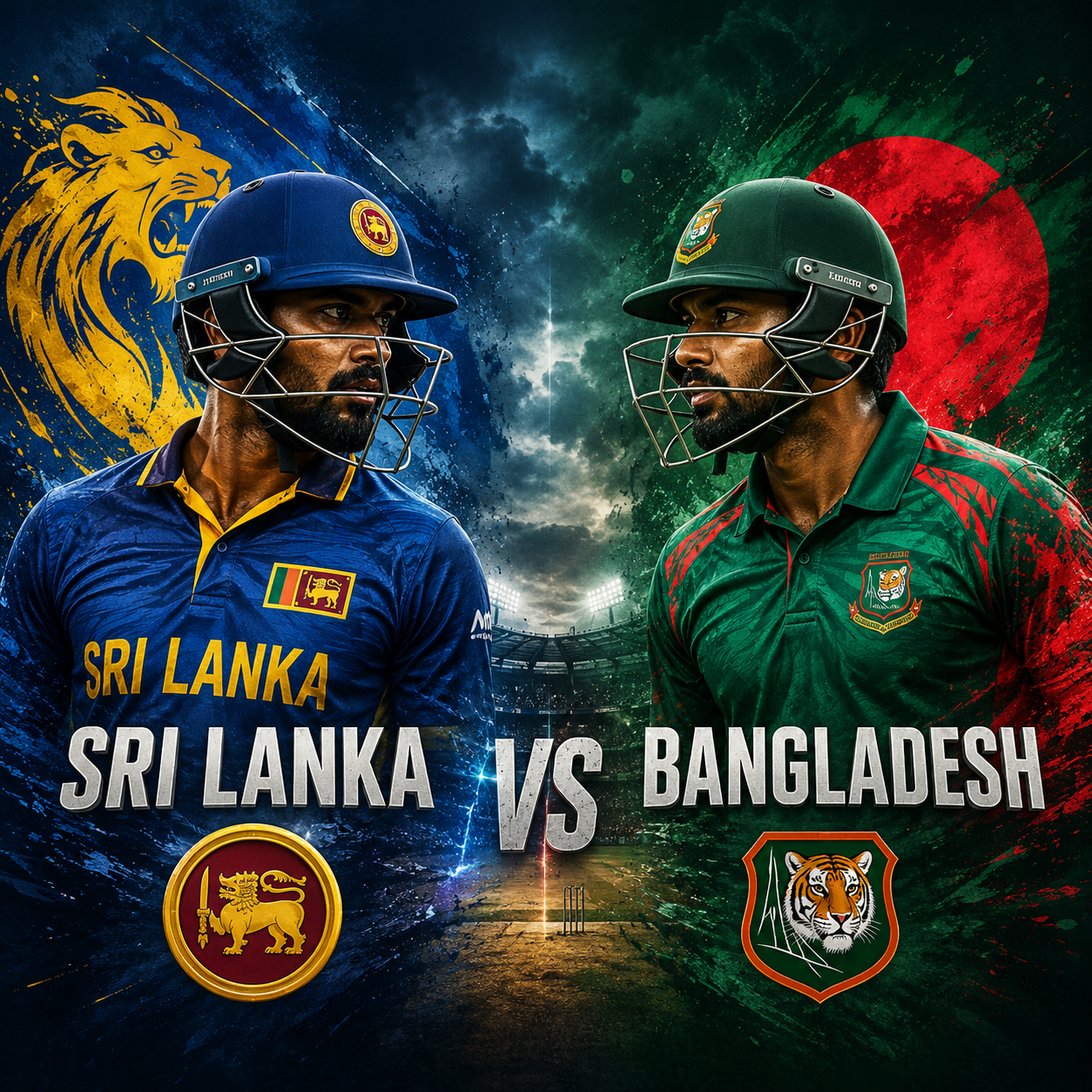
The Sri Lanka National Cricket Team Vs Bangladesh National Cricket Team Timeline showcases the evolution of one of Asia’s most competitive cricket rivalries. What started as a series of one-sided encounters gradually transformed into a contest filled with thrilling finishes, memorable performances, and intense emotions. Over the years, both teams have faced each other in Tests, One Day Internationals, and T20 Internationals, producing unforgettable moments for cricket fans around the world. Legendary players, rising stars, dramatic victories, and tactical battles have all contributed to the growth of this rivalry. Each meeting has added a new chapter, making these encounters an important part of modern Asian cricket history.
Recent Matches Table
| Match Date | Venue | Format | Winner | Margin of Victory | Top Scorer | Top Wicket Taker |
|---|---|---|---|---|---|---|
| September 12 2025 | Dubai | T20I | Bangladesh | 4 wickets | Towhid Hridoy 47 | Mustafizur Rahman 3/22 |
| September 04 2025 | Abu Dhabi | T20I | Sri Lanka | 6 wickets | Kusal Mendis 52 | Matheesha Pathirana 3/18 |
| July 14 2025 | Colombo | T20I | Bangladesh | 8 wickets | Litton Das 61 | Rishad Hossain 3/26 |
| July 11 2025 | Colombo | T20I | Sri Lanka | 18 runs | Pathum Nissanka 44 | Wanindu Hasaranga 3/21 |
| July 09 2025 | Colombo | T20I | Bangladesh | 5 wickets | Towhid Hridoy 58 | Taskin Ahmed 2/19 |
| July 04 2025 | Kandy | ODI | Sri Lanka | 74 runs | Charith Asalanka 101 | Dunith Wellalage 4/35 |
| July 01 2025 | Kandy | ODI | Bangladesh | 4 wickets | Najmul Hossain Shanto 73 | Shoriful Islam 3/42 |
Team Statistics Summary Table
| Statistic Type | Test Matches | ODI Matches | T20I Matches | Asia Cup Matches | World Cup Matches | Overall Totals |
|---|---|---|---|---|---|---|
| Total Played | 28 | 73 | 25 | 24 | 6 | 156 |
| Sri Lanka Wins | 20 | 42 | 15 | 19 | 4 | 100 |
| Bangladesh Wins | 1 | 16 | 10 | 5 | 2 | 34 |
| Tied Matches | 0 | 0 | 0 | 0 | 0 | 0 |
| No Result / Draws | 7 | 15 | 0 | 0 | 0 | 22 |
| Sri Lanka Win PCT | 71.4 | 57.5 | 60.0 | 79.1 | 66.6 | 64.1 |
| Bangladesh Win PCT | 3.5 | 21.9 | 40.0 | 20.8 | 33.3 | 21.7 |
Individual Batting Records Table
| Player Name | Team Country | Total Runs | High Score | Batting Average | Strike Rate | Total Hundreds |
|---|---|---|---|---|---|---|
| Kumar Sangakkara | Sri Lanka | 2814 | 319 | 74.05 | 68.42 | 9 |
| Mushfiqur Rahim | Bangladesh | 2537 | 200 | 36.76 | 62.15 | 4 |
| Tamim Iqbal | Bangladesh | 2241 | 128 | 34.47 | 64.88 | 3 |
| Shakib Al Hasan | Bangladesh | 2185 | 116 | 35.81 | 72.09 | 2 |
| Mahela Jayawardene | Sri Lanka | 1963 | 166 | 54.52 | 60.21 | 6 |
| Mahmudullah | Bangladesh | 1629 | 136 | 31.32 | 67.54 | 2 |
| Kusal Mendis | Sri Lanka | 1548 | 194 | 41.83 | 84.61 | 3 |
Individual Bowling Records Table
| Player Name | Team Country | Total Wickets | Best Bowling | Bowling Average | Economy Rate | Five Wicket Hauls |
|---|---|---|---|---|---|---|
| Muttiah Muralitharan | Sri Lanka | 117 | 6/18 | 15.44 | 2.82 | 11 |
| Shakib Al Hasan | Bangladesh | 83 | 5/70 | 32.12 | 3.91 | 3 |
| Rangana Herath | Sri Lanka | 68 | 7/89 | 22.38 | 2.64 | 6 |
| Mustafizur Rahman | Bangladesh | 54 | 5/22 | 24.61 | 5.28 | 2 |
| Lasith Malinga | Sri Lanka | 51 | 4/24 | 23.94 | 5.02 | 0 |
| Mashrafe Mortaza | Bangladesh | 48 | 4/44 | 35.06 | 4.98 | 0 |
| Dilruwan Perera | Sri Lanka | 41 | 6/109 | 28.53 | 3.11 | 2 |
When a New Rival Entered the Asian Cricket Stage
The cricketing relationship between these two Asian nations began during a period when one side was already an established force while the other was striving to prove itself on the international stage. Early contests reflected the gap in experience, yet they also showcased the determination of a developing team eager to challenge stronger opponents. Every meeting carried significance because it offered valuable lessons and opportunities for growth. Fans closely followed these encounters, hoping to witness competitive cricket and memorable performances. Established stars often controlled the proceedings with their skill and composure, but emerging talents consistently displayed flashes of promise. Over time, these matches became more than simple fixtures on the calendar. They represented ambition, progress, and the pursuit of recognition in international cricket. The growing interest from supporters created an atmosphere where every run, wicket, and partnership mattered. What began as a straightforward contest gradually evolved into a rivalry shaped by persistence, improvement, and a shared desire to succeed on the biggest stages.
| Period | Format | Result Trend | Key Strength | Fan Interest |
| Early Years | ODI | Dominant Results | Experience | Growing |
| Initial Phase | Test | Learning Curve | Technique | Moderate |
| Development Era | ODI | Competitive | Batting | Increasing |
| Expansion Period | T20I | Balanced | Adaptability | High |
| Modern Era | All Formats | Close Contests | Depth | Very High |
The First Encounters That Set the Tone
The earliest meetings established patterns that would influence future contests. One side frequently dictated terms through disciplined bowling and well-constructed batting performances, while the other focused on gaining valuable international exposure. Although results often favored the more experienced team, several moments hinted at future competitiveness. Young players embraced the challenge of facing world-class opponents and gradually developed confidence against elite attacks. These matches also highlighted the importance of tactical planning, especially in pressure situations where experience proved decisive. Supporters witnessed emerging rivalries between batters and bowlers who would later become familiar faces in the contest. Every encounter added another chapter to the developing relationship between the teams. Coaches and selectors used these games to assess strengths and weaknesses, helping shape future strategies. The foundation of the rivalry was built during this period, as players learned how to handle pressure, adapt to different conditions, and compete against opponents with contrasting styles of cricket.
| Match Phase | Batting Impact | Bowling Impact | Match Result | Importance |
| Debut Meeting | Strong | Consistent | One-Sided | Historic |
| Early ODI | Balanced | Effective | Controlled Win | Significant |
| Initial Test | Patient | Disciplined | Advantage Earned | Valuable |
| Tournament Clash | Aggressive | Accurate | Comfortable Result | Memorable |
| Follow-Up Match | Improved | Competitive | Closer Contest | Encouraging |
Growing Confidence and the Search for Respect
As international experience increased, performances began to improve noticeably. Talented young cricketers emerged with the confidence to challenge established opponents and compete under pressure. Improved domestic structures contributed to stronger batting lineups and more reliable bowling attacks. Competitive matches became increasingly common, reflecting the narrowing gap between the two sides. Supporters embraced this progress and started believing that major victories were achievable. Close finishes and spirited displays generated excitement, while standout individual performances earned admiration across the cricketing world. The team’s growing self-belief became evident through fearless batting approaches and determined bowling efforts. Coaches emphasized discipline, fitness, and adaptability, helping players perform more consistently in demanding situations. This period was crucial because it transformed perceptions and demonstrated that progress was being made. Victories remained difficult to secure, but the growing competitiveness ensured that future encounters would be taken far more seriously by players, analysts, and fans alike.
| Area | Improvement | Key Benefit | Impact | Outcome |
| Batting | Stability | More Runs | Positive | Growth |
| Bowling | Control | More Wickets | Stronger | Progress |
| Fielding | Sharpness | Saved Runs | Valuable | Improvement |
| Fitness | Endurance | Consistency | Significant | Better Results |
| Team Spirit | Confidence | Belief | High | Competitive Edge |
Asia Cup Nights That Intensified the Contest
Major tournaments often create unforgettable rivalries, and continental competitions provided the perfect stage for dramatic encounters. High-pressure matches brought increased expectations, passionate crowds, and intense scrutiny from the media. Every decision carried extra weight, while momentum frequently shifted throughout the contest. Batters attempted bold strokes, bowlers searched for breakthroughs, and captains relied heavily on tactical awareness. These games were often defined by crucial partnerships, match-winning spells, and moments of individual brilliance. Supporters from both nations invested emotionally in every contest, creating an atmosphere unlike ordinary bilateral series. The pressure of knockout scenarios and qualification battles elevated the importance of every run scored and wicket taken. Tournament meetings also helped produce memorable storylines that strengthened the rivalry. Close finishes became talking points for years, while standout performances secured a place in cricketing history. The intensity of these occasions transformed routine encounters into highly anticipated battles watched by millions across Asia.
| Tournament Stage | Match Pressure | Key Factor | Crowd Interest | Legacy |
| Group Stage | High | Momentum | Strong | Important |
| Super Round | Very High | Consistency | Massive | Memorable |
| Knockout Battle | Extreme | Composure | Huge | Historic |
| Qualification Match | Intense | Strategy | Significant | Lasting |
| Final Stage | Maximum | Execution | Exceptional | Iconic |
From One-Sided Results to Genuine Competition
A noticeable shift occurred as both teams entered a new era. Improved player development and stronger squad depth produced more balanced contests. Matches that once appeared predictable became difficult to forecast, with both sides possessing the ability to influence outcomes through skill and tactical flexibility. Batters displayed greater confidence against quality bowling attacks, while bowlers developed more effective plans for containing dangerous hitters. Competitive encounters became common across all formats, increasing excitement among supporters. Captains adopted innovative strategies, adjusting field placements and bowling rotations according to match situations. The rivalry benefited from this growing balance because every contest felt meaningful. Teams understood that mistakes would be punished and opportunities needed to be seized quickly. This evolution created a more engaging spectacle for cricket fans and demonstrated how sustained development could transform a previously uneven contest into a respected and competitive sporting rivalry.
| Aspect | Earlier Era | Transition | Modern Era | Effect |
| Results | Predictable | Improving | Balanced | Competitive |
| Batting | Cautious | Confident | Aggressive | Exciting |
| Bowling | Defensive | Structured | Attacking | Effective |
| Strategy | Basic | Flexible | Advanced | Influential |
| Fan Appeal | Moderate | Rising | Massive | Strong Growth |
The Matches That Changed Everything
Every rivalry has defining moments, and several landmark victories altered perceptions dramatically. These matches proved that determination, preparation, and execution could overcome historical trends. Memorable innings, game-changing partnerships, and outstanding bowling performances helped produce results that resonated far beyond the scoreboard. Players who delivered under pressure became national heroes, while supporters celebrated achievements that reflected years of progress and hard work. These contests also reinforced the importance of belief. Teams entered the field convinced they could compete and win against respected opposition. Tactical awareness played a major role, with captains making bold decisions that influenced outcomes. Momentum generated from these victories carried forward into future series, strengthening confidence and enhancing competitiveness. The significance of these matches extended beyond immediate results because they reshaped expectations and demonstrated how quickly fortunes can change in international cricket when talent and determination come together effectively.
| Match Type | Turning Point | Key Performer | Result Impact | Significance |
| ODI Clash | Big Partnership | Batter | Major Win | Historic |
| Test Match | Long Innings | Captain | Draw/Win | Memorable |
| T20 Battle | Quick Finish | Finisher | Close Victory | Exciting |
| Tournament Match | Bowling Spell | Bowler | Qualification | Crucial |
| Series Decider | Team Effort | Multiple Players | Series Result | Landmark |
Captain vs Captain: Leadership Under Pressure
Leadership has often been one of the most fascinating aspects of this rivalry. Captains were required to make important decisions under intense pressure, balancing aggression with caution depending on match circumstances. Successful leaders understood when to attack, when to defend, and how to maximize the strengths of their squads. Bowling changes, field placements, and batting orders frequently influenced the direction of key contests. Great captains also inspired teammates through confidence and composure during challenging situations. Their ability to remain calm often helped teams recover from difficult positions and seize momentum at critical moments. Leadership extended beyond tactics, as captains also managed expectations from fans, media, and team management. Some of the rivalry’s most memorable moments emerged from bold decisions that carried significant risk. Whether guiding a chase, defending a modest total, or navigating tournament pressure, leadership remained a crucial factor in shaping outcomes and defining memorable encounters.
| Leadership Area | Decision Type | Influence | Match Effect | Importance |
| Batting Order | Strategic | High | Positive | Significant |
| Bowling Change | Tactical | Strong | Game-Changing | Crucial |
| Field Placement | Defensive/Attacking | Moderate | Valuable | Important |
| Chase Planning | Calculated | High | Successful | Decisive |
| Team Motivation | Inspirational | Strong | Momentum | Essential |
Conclusion
The Sri Lanka National Cricket Team Vs Bangladesh National Cricket Team Timeline reflects a journey of growth, resilience, and competitive spirit. From the early days of dominance by one side to closely contested battles in recent years, the rivalry has consistently delivered excitement and memorable cricket. Outstanding individual performances, strategic captaincy, and passionate fan support have helped shape its unique identity. As both teams continue to develop new talent and pursue success on the international stage, future encounters promise even more thrilling moments. This rivalry remains an important fixture in Asian cricket and continues to capture the attention of supporters across the globe.
FAQs
Q1. When did Sri Lanka and Bangladesh first play against each other in international cricket?
A1. Sri Lanka and Bangladesh first met in international cricket during the late 1980s, with regular encounters increasing after Bangladesh gained Test status in 2000.
Q2. Which formats have featured matches between these two teams?
A2. The rivalry has taken place across Test matches, One Day Internationals, and Twenty20 Internationals.
Q3. Why is this rivalry important in Asian cricket?
A3. It highlights the growth of Bangladesh cricket and the competitive battles between two prominent Asian teams.
Q4. What are some memorable aspects of this rivalry?
A4. Close finishes, tournament clashes, outstanding individual performances, and emotional on-field moments are among its most memorable features.
Q5. Has the rivalry become more competitive in recent years?
A5. Yes, recent encounters have been much more balanced, with both teams capable of defeating each other in all formats of the game.