Table of Contents
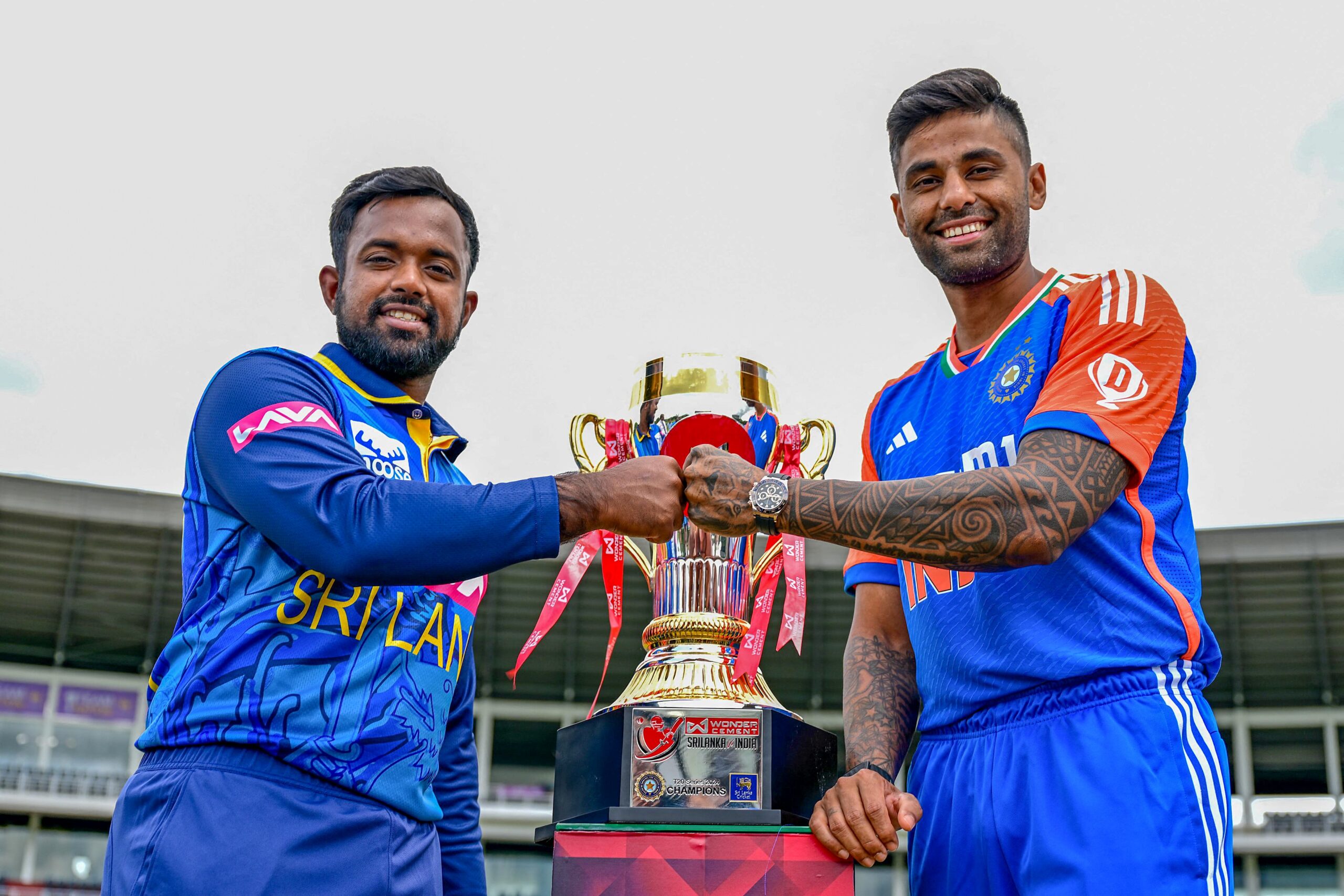
Sri Lanka National Cricket Team vs India National Cricket Team Matches have produced some of the most memorable contests in international cricket. Both teams have a long history of competing in Test matches, One Day Internationals (ODIs), and Twenty20 Internationals (T20Is). From major tournament encounters to bilateral series, their rivalry has featured remarkable batting performances, outstanding bowling spells, dramatic finishes, and matches decided under pressure.
India and Sri Lanka have faced each other across different cricketing eras, with legendary players contributing to the rivalry. India has traditionally been one of the strongest teams in world cricket, while Sri Lanka has built a proud cricketing identity through its World Cup triumphs, talented players, and ability to challenge leading sides.
Their encounters are followed closely by fans in both countries. The teams have met in bilateral tours, Asia Cup competitions, ICC tournaments, and other international events. Each format offers a different challenge, making their overall head-to-head history an interesting subject for cricket followers.
Overview of Sri Lanka vs India Cricket Matches
India and Sri Lanka compete in all three major international formats. Test cricket focuses on patience, technique, and sustained performance, while ODIs require teams to balance innings construction with scoring speed. T20Is demand quick decision-making, aggressive batting, and disciplined bowling in a short period.
The rivalry has featured several generations of players. India has relied on technically strong batters, versatile all-rounders, and varied bowling attacks. Sri Lanka has produced outstanding batters, mystery spinners, fast bowlers, and match-winning all-rounders who have made the contests competitive.
| Match detail | Information |
|---|---|
| Teams | India and Sri Lanka |
| Formats | Test, ODI, T20I |
| Governing body | International Cricket Council (ICC) |
| Common venues | India and Sri Lanka, along with neutral tournament venues |
| Major competitions | ICC tournaments, Asia Cup, bilateral series |
| Main factors | Batting depth, spin bowling, pace attack, fielding, and conditions |
The overall rivalry should be assessed separately for each format. A team may dominate one format while facing a more competitive challenge in another. For accurate comparisons, fans should distinguish bilateral series results from tournament matches and avoid treating one format’s record as the complete head-to-head picture.
Historical Background of the Rivalry
India and Sri Lanka developed a regular international cricket rivalry as Sri Lanka became an established force in international cricket. Their geographical proximity and frequent tours helped create a familiar contest for players and supporters. Over time, the teams met in bilateral series and major international competitions, increasing the importance of their head-to-head record.
India’s cricketing history includes periods of dominance built around accomplished batters, quality spin bowling, and increasingly deep pace resources. Sri Lanka, meanwhile, became known for producing technically gifted batters and inventive bowlers. The two sides often approached matches differently, creating tactical battles that depended on the pitch, weather, and match format.
Their rivalry has also been shaped by international tournaments. Matches in the Asia Cup have particular significance because both teams are among the region’s leading cricket nations. ICC events have provided further opportunities for the sides to compete on neutral grounds, where local conditions may not strongly favour either team.
One important feature of this rivalry is its changing character. Earlier generations relied heavily on conventional batting technique and specialist bowling roles. Modern teams use more flexible batting orders, data-informed strategies, power hitting, and specialist death bowling. These changes have influenced how India and Sri Lanka prepare for each other.
India vs Sri Lanka Test Match History
Test cricket is the longest format and places the greatest emphasis on endurance, technique, and tactical discipline. India and Sri Lanka have played important Test series in both countries, with conditions often influencing team selection and match strategy.
Indian pitches can offer assistance to spinners as matches progress, while Sri Lankan surfaces can also reward spin bowling and patient batting. Teams must therefore manage their innings carefully, protect wickets, and prepare for changing conditions across five days.
A strong first innings can be particularly important in Test matches. Batters need to build partnerships, leave difficult deliveries, and convert starts into substantial scores. Bowlers must combine control with the ability to create chances, whether through swing, seam movement, pace, or spin.
In the 2026 Test series in Sri Lanka, India won the first Test at Galle by 165 runs. India made 462 in its first innings and 193 in the second, while Sri Lanka scored 284 and 206. The second Test at Colombo ended in a draw after India declared at 503/9 and Sri Lanka replied with 290 and 429/9. These results demonstrated how the same series can produce both a decisive result and a closely contested draw.
Test matches between these sides are valuable for assessing the depth of their batting line-ups and the effectiveness of their bowling attacks. The results also provide context for how each team performs away from home.
India vs Sri Lanka ODI Match History
One Day Internationals have been central to the India–Sri Lanka rivalry. The format allows teams to build innings over 50 overs, but it also rewards aggressive batting during the powerplay and final overs. Successful sides must manage wickets, maintain scoring momentum, and adapt to the target or total required.
The teams have met in bilateral ODI series and high-profile international tournaments. Their ODI encounters have featured major individual scores, effective spin bowling, partnerships under pressure, and matches in which a small change in momentum has affected the result.
India’s ODI approach has often focused on establishing a solid top order before accelerating through the middle and final overs. Sri Lanka has also produced strong batting line-ups capable of challenging India, supported by spin options and variations from its pace bowlers. The outcome of an ODI can depend on how well each team handles the middle overs, when scoring opportunities and wicket-taking chances must be balanced.
Conditions are another important factor. A slow surface may encourage spin bowling and make it difficult to score freely against the older ball. A flat pitch can favour batters, placing greater pressure on bowlers to use changes of pace and accurate lengths.
ODI head-to-head records should be checked with care because the teams have played many matches over several decades. For a reliable comparison, readers should consider total wins, losses, ties, no-results, series outcomes, and performances in major tournaments rather than relying on a single memorable game.
India vs Sri Lanka T20 International Matches
T20 Internationals bring a different style of competition to the rivalry. With only 20 overs per innings, batters must score quickly, and bowlers have little room for error. Captains regularly adjust their plans according to match-ups, boundaries, pitch conditions, and the batting line-up.
India and Sri Lanka have played several close T20I contests, including matches in which a tie was resolved through a Super Over or one-over eliminator. Such games illustrate how narrow the margin can be in the shortest format. A single boundary, dropped catch, or expensive over may determine the result.
India’s T20I strengths have included aggressive top-order batting, adaptable middle-order players, all-round options, and a varied bowling attack. Sri Lanka has challenged opponents with wrist spin, off-spin, pace variations, and batters capable of scoring quickly. In this format, teams must also pay close attention to fielding because saving a handful of runs can change the final equation.
A recent notable meeting took place in the T20 tournament calendar in October 2026, when India defeated Sri Lanka by 124 runs in a second semi-final, according to published match records. The result was a significant margin in a format often associated with close finishes. Readers checking this result should distinguish it from bilateral T20I series, as tournament matches can have a different competitive context.
Recent Sri Lanka vs India Match Results
Recent results help readers understand the current phase of the rivalry, although performances in one series do not necessarily predict the next encounter. The following table highlights verified recent men’s international meetings and their outcomes.
| Format | Match or series | Result |
|---|---|---|
| Test | 1st Test, Galle, August 2026 | India won by 165 runs |
| Test | 2nd Test, Colombo, August 2026 | Match drawn |
| T20 tournament | Second semi-final, October 2026 | India won by 124 runs |
These results show the different ways an international match can unfold. India’s first Test victory came through a substantial margin, while the second Test ended without a winner after Sri Lanka reached 429/9 in its second innings. The T20 semi-final, by contrast, was decided by a large run margin.
For a complete match-by-match database, the results should be separated into Tests, ODIs, T20Is, and tournament fixtures. This avoids confusion between bilateral series and matches played in multi-team competitions.
Key Players Who Have Shaped the Rivalry
Several generations of players have contributed to the India–Sri Lanka cricket story. Their impact can be seen in batting records, bowling figures, captaincy decisions, and performances in decisive matches.
For India, Sachin Tendulkar, Rahul Dravid, MS Dhoni, Virat Kohli, and Rohit Sharma are among the prominent names associated with different periods of the rivalry. They represent a range of strengths, from classical batting and match management to aggressive scoring and leadership.
Sri Lanka has also produced celebrated players, including Sanath Jayasuriya, Kumar Sangakkara, Mahela Jayawardene, Muttiah Muralitharan, and Lasith Malinga. Their contributions helped establish Sri Lanka as a major international side and created many memorable contests against India.
Modern matches also depend on players who may not dominate the headlines. Middle-order batters, specialist spinners, fast bowlers, wicketkeepers, and all-rounders often determine the outcome through partnerships, economical overs, and sharp fielding. Team balance is especially important when conditions favour one type of bowling.
Factors That Influence India vs Sri Lanka Match Results
Several factors can determine the result when these teams meet. The first is the pitch. A surface offering turn may bring spinners into the game, while a quicker pitch can help fast bowlers and aggressive stroke play. Weather and humidity can also influence swing, grip, and the likelihood of interruptions.
The toss may matter in certain conditions, particularly in limited-overs matches where dew affects the ball later in the evening. However, winning the toss does not guarantee victory. Teams must still execute their plans and respond effectively when the match changes direction.
Batting partnerships are another decisive factor. In Tests, a long partnership can shift control of the game. In ODIs, it can set up a competitive total or make a chase manageable. In T20Is, even a short partnership at a high scoring rate can change the required run rate.
Bowling discipline is equally important. India and Sri Lanka both use different combinations of pace and spin, and captains need to identify the right moments to attack. Fielding can then make the difference by converting half-chances into wickets and preventing easy runs.
Finally, experience in high-pressure matches matters. Players who remain composed in a close finish are better placed to make sound decisions, whether the team needs a late boundary, a defensive over, or a wicket at a critical moment.
Frequently Asked Questions
1. How many formats do India and Sri Lanka play against each other?
India and Sri Lanka compete in three major men’s international formats: Test cricket, One Day Internationals, and Twenty20 Internationals. They also meet in tournaments such as the Asia Cup and ICC competitions.
2. Which team has been stronger in the India vs Sri Lanka rivalry?
India has generally held the stronger overall record across several formats, but the exact margin depends on whether the comparison concerns Tests, ODIs, T20Is, or tournament matches. The latest official statistics should be checked for an up-to-date count.
3. What was the result of the India vs Sri Lanka Test series in August 2026?
India won the first Test at Galle by 165 runs. The second Test in Colombo ended in a draw, with Sri Lanka finishing its second innings at 429/9.
4. Why are India vs Sri Lanka matches often competitive?
The teams have different strengths and are familiar with each other’s playing styles. Pitch conditions, spin bowling, batting partnerships, fielding, and pressure management often determine the result.
5. Where can fans find the latest India vs Sri Lanka match scorecards?
Fans can consult official cricket-board match centres and established cricket score services for scorecards, player statistics, fall-of-wicket details, and match summaries. Checking the date and format helps ensure that the correct fixture is selected.
Conclusion
The rivalry between India and Sri Lanka remains an important part of international cricket. Their Test matches reward patience and technique, their ODIs demand balance and consistency, and their T20Is often turn on small moments. Historic players have helped build the rivalry, while modern teams continue to add new results and performances to its record.
Anyone following this contest should compare each format separately and review the scorecard of the specific match they want to understand. Looking at series results, individual performances, venue conditions, and tournament context gives a more complete picture than focusing on wins and losses alone. As both teams continue to compete in international cricket, their future meetings will add further chapters to a long-standing sporting rivalry.
| Read More ; New Zealand Women’s National Cricket Team Vs Sri Lanka Women’s National Cricket Team Match Scorecard |


